
Thank you, a Request, and Teaching Resources
A short one this week

Teach a Kid to Save has kicked off Week 1 with a bang: it is the #1 New Release on Amazon’s “School-Age Parenting” list, and #8 on the overall “Parenting” new release list!1 Thank you. You’ve allowed me to bug you these last few weeks with thinly-veiled book ads. Trust me, next week we will be back to your standard econ / personal finance / education / parenting content.2
For now, thank you for the conversations, re-posts, reviews, personal introductions, and (not least) book purchases that have Teach a Kid to Save off to a strong start.
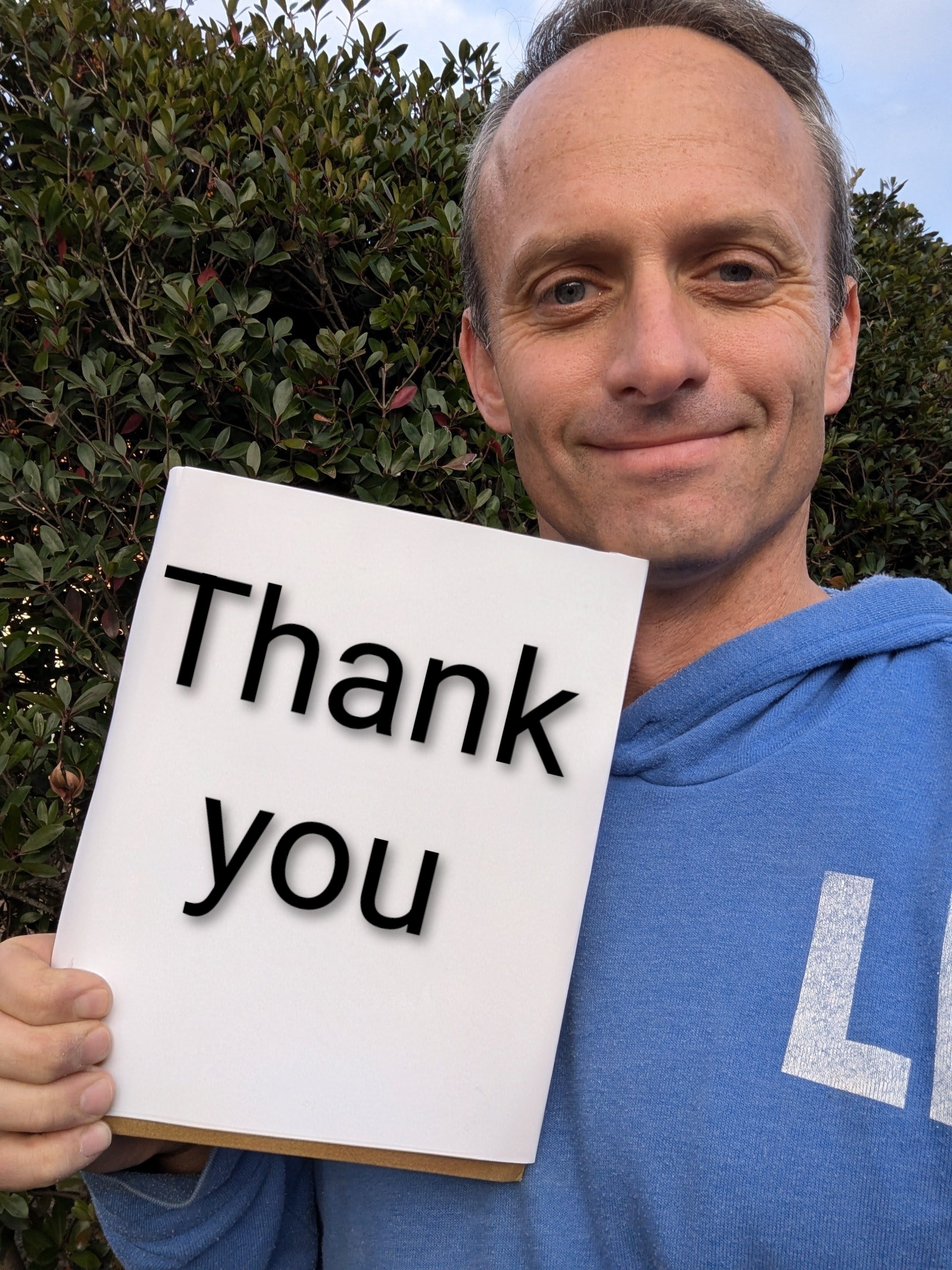
I have one more request. If you have the book, please write an Amazon review as soon as you’ve read it. The sooner the better. This engages the algorithm and lets potential readers know that it is a Real Book. Goodreads reviews are good, too. Let’s keep this book on K-12-age economic education at the top of the list.

I want to thank the many organizations who have helped me along the way. So many have generously given me space in their platforms. Below I will share some of their content. If you like Paper Robots, I guarantee that you’ll like the teaching resources and blogs below. Enjoy.
Virginia Council on Economic Education (VCEE). Award-winning lessons made by Virginia teachers, the Life After High School curriculum, and a scope and sequence for the Economics and Personal Finance class.
Foundation for Economic Education (FEE) Learning Center. A constant stream of free new lesson plans in all kinds of categories, from Econ 101: Taylor’s Version to lesson plans that go with Monday Morning Economist.
Monday Morning Economist by Jadrian Wooten. A free, weekly newsletter that makes economics easier to understand with insights from current events and pop culture.
The Jump$tart Coalition. The Jump$tart Clearinghouse has a whole universe of vetted materials for teaching personal finance.
Decode Econ by Abdullah Al-Bahrani. Substack economics blog that unpacks the trends and stories behind the headlines.
National Association of Economic Educators (NAEE). Here is NAEE’s Curriculum Awards page. You can access the award-winning lessons, free.
Council for Economic Education (CEE). If you haven’t visited EconEdLink lessons in a while, it’s time to go back. There’s always something new.
Nebraska Council on Economic Education. Landing page for various econ and personal finance resources from an org that is always on the forefront of economic education.
Next Gen Personal Finance (NGPF). Turnkey lessons and units for teaching personal finance. Plus awesome arcade games.
M is for Money, Rob Phelan’s easy-to-use personal finance books.
Leila Ugincius and the team at VCU News.
The VCU School of Business faculty.
And that’s not even listing all the individuals who have lent their contacts and influence throughout this process. Thank you.
Next week we are back on track with regular Paper Robots programming. Until then, so long!
Somehow the #1 book in the “Parenting” new release list is called Broken Bonds: A Steamy Billionaire Divorce Romance of Passion, Betrayal, Consequences, and Redemption (Kindle Edition). I haven’t read it, so I can’t say if it’s been placed in the wrong list or not. But they really just put all of the words into that title, didn’t they?
Until then, you can catch me on last week’s Minimalist Moms Podcast.
Thank you for the update! Congrats on your success and also thanks for providing us with the blueprint on book releases.